
In October 2021, I hit a major milestone: I paid off the last dollar of my $50,000 debt, a journey that took me exactly three years of meticulous tracking and relentless budgeting. That experience fundamentally changed my relationship with money. Every dollar that came in, and every dollar that went out, became a data point I needed to understand, optimize, and, wherever possible, save.
Once the consumer debt was gone, my focus shifted. My next big financial goal was to bolster my emergency fund and accelerate my investment contributions. To do that, I realized I needed to scrutinize every recurring expense – especially those that felt like "fixed costs." Homeowner's insurance was right at the top of that list.
For years, my homeowner's insurance policy felt like a black box. I paid the premium, usually through my escrow, and mostly forgot about it. But as I dove deeper into my finances, I knew there had to be a better way to manage this significant expense without putting my biggest asset – my home – at risk. I wasn't just looking to lower my homeowners insurance premium without reducing coverage; I wanted to understand the mechanics behind it, and apply the same data-driven approach that helped me crush my debt.
Disclaimer: I am a personal finance writer, not a licensed insurance agent or financial advisor. The strategies and experiences shared in this article are based on my personal journey and research. Insurance needs are highly individual. Please consult with a qualified insurance professional and financial advisor to determine the best coverage and strategies for your specific situation.
Key Takeaways from My Home Insurance Savings Journey:
- Don't Be Afraid of a Higher Deductible: Increasing my deductible from $1,000 to $2,500 saved me 8-10% annually without reducing my core protection.
- Bundle, Bundle, Bundle: Combining my auto and home policies with the same provider led to significant multi-policy discounts, often 10-20% on each.
- Shop Around Annually (Seriously): My biggest savings came from getting fresh quotes from multiple insurers every single year. Loyalty doesn't always pay.
- Leverage Home Improvements: Updates like a new roof or smart home security systems can reduce risk in the insurer's eyes, translating to lower premiums.
- Your Credit Score Matters: A strong credit score can unlock better rates, so continue to manage your finances responsibly.
My Journey to Savings: The "Why" and My Initial Frustration
My 1980s ranch home in suburban Atlanta wasn't fancy, but it was mine. When I bought it in 2018, I went with the insurance company my mortgage lender recommended: SafeGuard Insurance. It was easy, convenient, and frankly, I didn't know enough to question it. My initial premium was around $1,650 a year, paid through escrow. Over the next couple of years, it crept up to about $1,800.
My First Policy: A Story of Complacency
For a long time, I just accepted the annual premium increase. I figured it was "just the cost of doing business" as a homeowner. I vaguely remembered a conversation with the SafeGuard agent about "replacement cost coverage" and "dwelling coverage," but the details were fuzzy. I had a $1,000 deductible, which seemed standard. My coverage included everything I thought I needed: dwelling, personal property, liability, loss of use. I certainly wasn't looking to reduce coverage, just the cost.
The problem was, I wasn't actively comparing. I wasn't asking questions. I was operating under the misconception that once you had a policy, it was set in stone, or that switching was too much of a hassle to be worth it. This complacency cost me hundreds of dollars.
The Wake-Up Call: My $50,000 Debt Payoff Mindset Shift
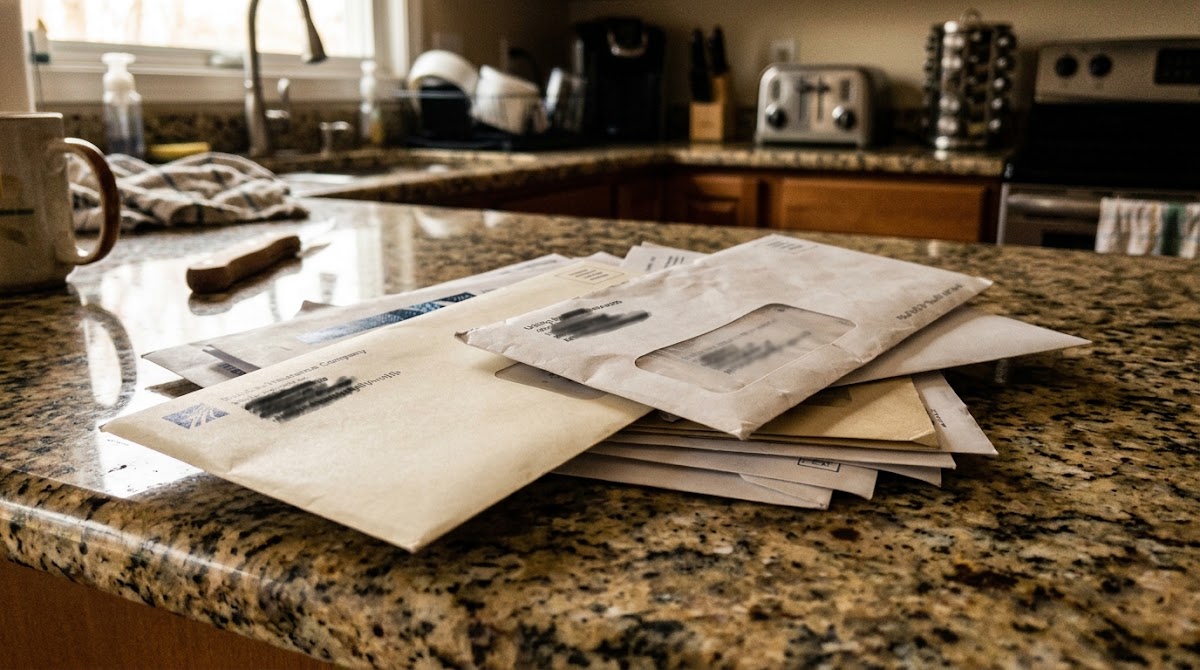
That debt payoff journey taught me the immense power of intentionality. I tracked every coffee, every grocery run, every subscription. I learned to negotiate, to question, to seek alternatives. So, when my SafeGuard renewal notice arrived in late 2021, showing another $75 increase to $1,875 annually, a little voice in my head, honed by three years of financial warfare, said, "Not this time, Alex."
I decided to apply the same rigorous approach to my homeowner's insurance. My goal was clear: find ways to cut home insurance costs maintaining full coverage. What followed was a multi-pronged strategy that ultimately saved me a significant chunk of change.
Strategy 1: The Power of the High Deductible (Without Sacrificing Protection)
One of the first things I learned when I finally sat down to review my policy was the impact of the deductible. This was a concept I understood generally from car insurance, but hadn't fully grasped for my home.
Understanding Deductibles: More Than Just a Number
Your deductible is the amount you pay out-of-pocket before your insurance coverage kicks in for a claim. For example, if you have a $2,500 deductible and incur $10,000 in damages, you pay the first $2,500, and your insurer covers the remaining $7,500.
Most people, myself included, assume a lower deductible is always better. While it means less out-of-pocket expense if you file a claim, it also almost always means a higher premium. Insurers see a lower deductible as a higher risk for them, as they'll have to pay out more frequently for smaller claims.
My Personal Experience: Moving from $1,000 to $2,500
My initial SafeGuard policy had a $1,000 deductible. After some research, I realized I had enough in my emergency fund to comfortably cover a higher deductible, should I ever need to file a claim. I'm not prone to filing small claims (like a broken window or a minor roof leak) because I prefer to handle those out-of-pocket to avoid potential premium increases or a claims history that could make future insurance more expensive.
I called SafeGuard in December 2021. This was my first real negotiation:
"Hi, I'm Alex Chen, and I'm calling to review my homeowner's policy. I'm looking into ways to reduce my premium without compromising my core coverage."
The rep, Maria, was polite. "Certainly, Mr. Chen. What specifically are you looking to adjust?"
"I'd like to explore the impact of increasing my deductible. Currently, it's $1,000. Can you tell me what my premium would be if I moved to a $2,000 or even a $2,500 deductible?"
Maria crunched some numbers. "Okay, if you increased your dwelling deductible to $2,000, your annual premium would drop by approximately $90. If you went to $2,500, it would be a reduction of about $150."
A $150 annual saving for a $2,500 deductible felt like a no-brainer. I had $10,000 in my emergency fund, specifically earmarked for such scenarios. The difference between paying $1,000 or $2,500 in a crisis wouldn't break me, and the annual savings were immediate. I made the change on the spot. My new SafeGuard premium became $1,725.
The Result: By increasing my deductible from $1,000 to $2,500, I immediately saved $150 per year. It felt empowering to make an informed decision that put money back in my pocket without feeling vulnerable.
Addressing Misconception 1: "A higher deductible means less coverage."
This is a common misunderstanding. A higher deductible does NOT mean you have less coverage for major events. It simply means you're responsible for a larger portion of the initial cost of a claim. Your dwelling coverage, personal property limits, and liability protection remain exactly the same. For catastrophic events, which are what insurance is truly for, the deductible difference is relatively minor compared to the total payout. It's a calculated risk I was comfortable taking, backed by a solid emergency fund.
Strategy 2: The Bundling Bonanza: My Multi-Policy Discount
After tackling the deductible, my next target was bundling. I had my car insurance with Liberty Mutual and my home insurance with SafeGuard. Two separate companies, two separate bills, two separate relationships. This felt inefficient.
Why Bundling Works for Insurers (and You)
Insurance companies love bundling. When you place multiple policies with them (e.g., home and auto), you become a more valuable customer. They often reward this loyalty with multi-policy discounts, which can be substantial. It reduces their administrative costs and increases customer retention.
My Car & Home Policy Combo: A Specific Example
In early 2022, I decided to get quotes for bundling. I started with Liberty Mutual, since they already had my auto policy (a 2017 Honda Civic, clean driving record). I also reached out to SafeGuard to see what they could offer if I moved my auto to them.
The conversation with Liberty Mutual was enlightening:
"Hi, I'm Alex Chen. I have my auto policy with you, and I'm exploring options to combine it with my homeowner's insurance. I'm currently with SafeGuard, paying $1,725 annually for my home."
The Liberty Mutual agent, Sarah, walked me through a quote. She matched my existing home coverage limits (dwelling, personal property, liability) and the $2,500 deductible. Then she applied the multi-policy discount.
"Mr. Chen, by bundling your home and auto policies with us, we can offer you a home premium of $1,450 annually. This includes a 15% discount on your home policy and an additional 10% on your auto policy."
I was genuinely surprised. My auto premium was already around $950 a year. A 10% discount on that was $95. And a home premium of $1,450 was a massive drop from SafeGuard's $1,725.
The Result: Bundling my policies with Liberty Mutual saved me $275 on my home premium ($1,725 - $1,450) and an additional $95 on my auto premium, for a total of $370 annually. The feeling was pure relief, knowing I was getting more value for my money.
I didn't switch immediately. I called SafeGuard, explained Liberty Mutual's offer, and asked if they could match or beat it. They couldn't. Their bundled offer was still higher. So, I made the switch to Liberty Mutual for both policies in March 2022. My new combined annual premium for home and auto was $1,450 + $855 = $2,305. Previously, it was $1,725 (SafeGuard home) + $950 (Liberty Mutual auto) = $2,675. That's a total savings of $370.

Strategy 3: Review, Compare, and Switch: The Annual Audit
The biggest lesson from my debt payoff journey was that nothing is "set it and forget it." Especially not recurring expenses. My annual insurance review became as critical as my monthly budget review.
My Annual Insurance Review Checklist
Every year, about two months before my renewal date, I now follow a strict process:
- Gather Current Policy Details: I pull up my existing declarations page. I note my dwelling coverage, personal property limits, liability, deductible, and any endorsements. This is my baseline.
- Assess Home Value & Contents: Has my home value changed significantly? Have I made any major purchases (new furniture, electronics) that might warrant adjusting personal property coverage?
- Check for Discounts: I review my current insurer's website for any new discounts I might qualify for (e.g., smart home devices, non-smoker, professional affiliation).
- Get Multiple Quotes: This is the most crucial step. I use online aggregators like Policygenius or The Zebra, but I also call at least two direct insurers (like Allstate, State Farm, Farmers) and one independent agent who can shop multiple carriers.
The Competitive Quote Process: A Real-World Table
In Fall 2023, my Liberty Mutual renewal came in at $1,480 for my home policy. It had gone up slightly. I decided it was time to shop around again. I input my details into Policygenius and then called State Farm and a local independent agent, "Peach State Insurance Brokers."
Here's a simplified comparison of the quotes I received for identical coverage (Dwelling: $250,000; Personal Property: $125,000; Liability: $300,000; Deductible: $2,500):
| Insurer | Home Premium (Annual) | Auto Premium (Annual) | Total Bundled Premium (Annual) | Notes |
|---|---|---|---|---|
| Liberty Mutual (Renewal) | $1,480 | $870 | $2,350 | Current provider, slight increase from previous year. |
| State Farm | $1,320 | $910 | $2,230 | Direct quote, included multi-policy discount. |
| HomeProtect Co. (via Peach State Brokers) | $1,250 | $890 | $2,140 | Best bundled offer, included new roof discount. |
| Allstate | $1,380 | $880 | $2,260 | Direct quote, competitive but not the lowest. |
The HomeProtect Co. quote, secured through my independent agent, was the clear winner. It was $230 cheaper than my Liberty Mutual renewal for the bundle, and $230 cheaper on home insurance alone. I immediately felt a rush of satisfaction – this proactive work was paying off again!
The Hardest Part: The Hassle of Switching
While the savings are great, I won't lie: switching is a pain. It involves a few phone calls, filling out some forms, and coordinating with your mortgage lender (if you have an escrow account). This is often the biggest deterrent for people, and it was for me initially.
When I called Liberty Mutual to cancel, the rep tried to retain me. "Mr. Chen, we value your business. What can we do to keep you?" I politely explained that I had found a significantly better rate for identical coverage. They offered a slight reduction, but it still couldn't beat HomeProtect Co. I had to firmly state my intention to cancel, provide the effective date, and ensure they would send proof of cancellation to my mortgage servicer.
Then, I had to call my mortgage servicer (MyLocalCreditUnion) to inform them of the change and provide the new policy details. It took about 20 minutes on hold and another 15 minutes to speak with someone. They needed the new declarations page and the effective date. It's not difficult, but it requires a dedicated block of time and a bit of patience.
The Result: By switching to HomeProtect Co. in November 2023, I saved an additional $230 annually on my home insurance compared to my Liberty Mutual renewal, while maintaining the exact same comprehensive coverage. My new home premium is $1,250. This felt like a victory, a testament to the power of persistent comparison shopping.
Strategy 4: Home Improvements That Lower Premiums (and Boost Safety)
Beyond policy adjustments and shopping around, I also realized that certain home improvements could actively reduce my premiums by making my home less risky for insurers.
My Roof Replacement: A Cost-Saving Investment
My roof was original to the 1980s house. It was starting to show its age, and in early 2023, I knew it needed replacing. This was a significant investment, costing me around $12,000. However, I learned that a new, modern roof (especially impact-resistant materials) can lead to insurance discounts. Insurers see a new roof as a reduced risk for leaks, wind damage, and other perils.
When I got the quote from HomeProtect Co., I specifically mentioned the new roof (installed in July 2023). The agent asked for the installation date and the type of shingles. This information, combined with the other factors, contributed to their competitive offer. They explicitly noted a "New Roof Discount" of $75 annually on my policy.
The Result: While the roof itself was a large expense, it added value to my home, protected it better, and directly contributed to a $75 annual discount on my premium. It was a tangible return on a necessary investment.
Smart Home Tech & Security: Discounts I Earned
Over the past year, I've also invested in some smart home security. I installed a Ring doorbell, smart smoke detectors, and a central monitoring system from ADT. Many insurers offer discounts for professionally monitored security systems, smoke detectors, and even water leak sensors.
When I provided details of my ADT monitoring service and smart smoke detectors to HomeProtect Co., they applied a "Protective Devices Discount" of $25 annually. It might not sound like a lot, but it adds up, and these devices also provide real peace of mind and enhanced safety.
Strategy 5: Leveraging My Credit Score (The Hidden Discount)
This isn't a direct action you take on your policy, but it's a foundational element of personal finance that has a ripple effect, even on insurance premiums. Many insurers use credit-based insurance scores (where legally permitted) to help determine premiums. They view a higher credit score as an indicator of financial responsibility, which they correlate with a lower likelihood of filing claims.
How Credit Scores Impact Premiums (and How I Improved Mine)
During my debt payoff journey, my credit score steadily improved. When I started paying off debt, my FICO score was around 680. By the time I was actively shopping for insurance in late 2021/early 2022, it was consistently above 750. This wasn't a specific "discount" I asked for, but it undoubtedly played a role in the favorable rates I received from various insurers. The CFPB acknowledges the use of credit scores in setting insurance rates, noting that consumers with higher scores often pay less.
My disciplined approach to debt repayment, always paying on time, and keeping my credit utilization low directly contributed to a strong credit score. This, in turn, silently worked in my favor when insurers assessed my risk profile. It's a great example of how good financial habits in one area can positively impact others.
The Struggle Was Real: My Missteps and What I Learned
My journey to saving on homeowner's insurance wasn't a straight line. There were frustrations, dead ends, and a few "aha!" moments that came from making mistakes.
Mistake 1: Not Shopping Around Annually
This was my biggest and most costly mistake. For years, I just let my SafeGuard policy renew, assuming the increases were unavoidable. I was too busy, too complacent, or just didn't want the "hassle." This assumption cost me hundreds of dollars over several years. I now know that loyalty rarely pays off in the insurance world. The best rates are often reserved for new customers, or companies trying to gain market share.
Feeling: Frustration with my past self, realizing how much money I essentially left on the table by not being proactive.
Mistake 2: Assuming Loyalty Would Be Rewarded
When I first called SafeGuard to inquire about a higher deductible, I also asked about loyalty discounts. The rep was nice, but the discounts were minimal compared to what I eventually saved by shopping around. I genuinely thought that being a customer for several years would earn me a significant break. It rarely does. Insurers are businesses, and their primary goal is profitability. They need to attract new customers, and that often means offering better rates to those who are willing to switch.
Addressing Misconception 2: "My long-term loyalty means my insurer will give me the best deal." This is a common misconception. While some insurers offer small loyalty perks, the most significant savings often come from getting competitive quotes from new providers. Never assume your current insurer is giving you the best possible rate without verifying it.
The Frustration of Phone Calls
Getting quotes and switching policies often means being on the phone. I'm an introvert, and dealing with customer service calls, especially when I have to repeat my information multiple times, can be draining. There were moments of genuine exasperation, like when I was transferred three times trying to get a specific deductible change, or when I had to explain to my mortgage company for the third time that yes, the new policy was valid and no, they didn't need to send a payment to the old insurer.
One time, a rep at a major insurer (I won't name them, but it wasn't one of the ones I ended up with) was particularly pushy, trying to upsell me on coverage I didn't need. I had to firmly, but politely, end the call and move on. It felt like a small battle each time, but the financial rewards kept me motivated.
Feeling: Mild annoyance, but ultimately a sense of accomplishment for pushing through the administrative hurdles.
My Results: Hundreds Saved, Peace of Mind Gained
Let's look at the numbers and how they make me feel:
- Initial SafeGuard Premium (2021): $1,875 annually.
- After Deductible Increase (Dec 2021): $1,725 annually. (Saved $150)
- After Bundling with Liberty Mutual (March 2022): $1,450 annually for home. (Saved $275 on home, plus $95 on auto, total $370)
- After Switching to HomeProtect Co. & New Roof Discount (Nov 2023): $1,250 annually for home. (Saved $230 on home, plus $20 on auto, total $250)
From my initial $1,875 premium in late 2021, I've brought my homeowner's insurance down to $1,250 annually. That's a total annual savings of $625! This is real money that now goes towards my emergency fund, my investments, or simply enjoying life without financial stress.
The feeling? It's not just relief; it's a deep sense of pride. Pride in taking control of my finances, in being proactive, and in proving to myself that no expense is too small to scrutinize. It's the same feeling I had when I made that last debt payment – a tangible result of intentional financial management. My home is fully protected, and I'm paying significantly less for that peace of mind.
Frequently Asked Questions About Lowering Homeowner's Insurance
Q1: Will increasing my deductible really not affect my coverage limits?
A: Correct. Your deductible only impacts the out-of-pocket amount you pay before your insurance kicks in for a covered claim. Your coverage limits (e.g., dwelling coverage, personal property, liability) remain exactly the same. It's a risk management decision based on your ability to cover that initial out-of-pocket sum.
Q2: How often should I shop around for homeowner's insurance?
A: I highly recommend shopping around annually, or at least every two to three years. Your personal circumstances change, your home's value or condition might change, and insurance companies frequently adjust their rates and offerings. What was the best deal last year might not be this year.
Q3: What if my mortgage lender requires me to have a specific level of coverage?
A: Your mortgage lender will indeed have minimum coverage requirements, usually tied to the dwelling coverage (the cost to rebuild your home). When you shop for new policies, always ensure the quotes meet or exceed these requirements. You're not reducing coverage; you're just finding a more affordable provider for the same (or better) protection.
Q4: Can my credit score really impact my home insurance rates?
A: Yes, in most states, insurers use credit-based insurance scores as one factor in determining your premium. A higher score often indicates lower risk to insurers, potentially leading to lower rates. This is another reason why maintaining good financial habits, like paying bills on time and managing debt responsibly, is so important.
Q5: Is it always better to bundle my home and auto insurance?
A: In most cases, yes, bundling leads to significant discounts. However, it's not a universal rule. Always get separate quotes for home and auto from multiple companies, and then ask for a bundled quote. Sometimes, two different companies might offer better individual rates that, even combined, beat a bundled offer. It's rare, but worth checking. My experience shows bundling is usually the way to go.
Q6: What specific home improvements can lower my premium?
A: Common improvements that can lead to discounts include: a new roof (especially impact-resistant materials), updated plumbing or electrical systems (reducing fire/water risk), professionally monitored security systems, smart home devices (like water leak detectors or smart smoke alarms), and hurricane shutters or reinforced windows in high-risk areas.
Q7: What is the difference between replacement cost and actual cash value coverage?
A: This is crucial. Replacement cost coverage pays to rebuild or repair your home and replace your personal belongings with new items of similar quality, without deduction for depreciation. Actual cash value (ACV) coverage pays the depreciated value of your items. For your home's structure and contents, always opt for replacement cost value if possible. It provides much better protection in the event of a total loss. I always ensure my policies are replacement cost, not ACV.
Conclusion
Saving money on homeowner's insurance without sacrificing coverage isn't about finding loopholes; it's about being informed, proactive, and willing to put in the work. By understanding how deductibles work, leveraging bundling discounts, diligently shopping around, making smart home improvements, and maintaining a strong credit score, I've managed to significantly reduce a major recurring expense.
My journey from $50,000 in debt to a financially optimized homeowner has taught me that every dollar matters. Don't let complacency cost you. Take the time to review your policy, ask questions, and explore your options. Your wallet – and your peace of mind – will thank you.
Sources
- Investopedia. "Homeowners Insurance." https://www.investopedia.com/articles/pf/08/homeowners-insurance.asp
- NerdWallet. "How to Save on Homeowners Insurance." https://www.nerdwallet.com/article/insurance/how-to-save-on-homeowners-insurance
- Policygenius. "How to Lower Homeowners Insurance." https://www.policygenius.com/homeowners-insurance/how-to-lower-homeowners-insurance/
- Consumer Financial Protection Bureau (CFPB). "Credit Scores and Insurance." https://www.consumerfinance.gov/consumer-tools/credit-reports-and-scores/credit-scores-and-insurance/
Written by Alex Chen, a personal finance writer at WealthSure Lab who paid off $50,000 in debt over 3 years and tracks every dollar of my portfolio.